
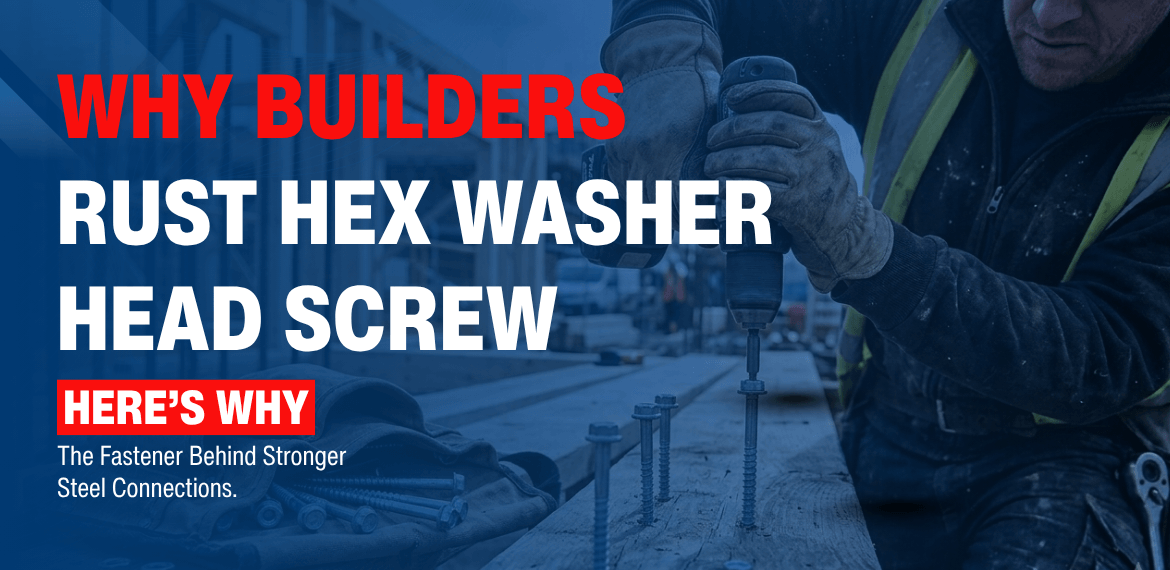
Introduction
Hex washer head screws have quietly become the default choice for modern steel structures. From pre engineered buildings to roofing and cladding systems, these fasteners solve many day to day problems that contractors and engineers face on site such as loosening, leakage and damaged sheets.
This guide explains in simple practical language why hex washer head screws deserve a prime place in your structural steel fasteners selection.
What Are Hex Washer Head Screws?
Hex washer head screws are high torque fasteners with a six sided head and an integrated washer flange under the head. The hex shape allows strong torque transfer from the driver to the screw, while the washer spreads the clamp force over a wider area for better load distribution and sealing.
In projects handled by Corroshield through Asons Enterprise these screws are typically hex head self drilling screws designed for direct fastening into steel sections and metal sheets without pre drilling.
Why Are Hex Washer Head Screws Used In Steel Structures?
Hex washer head screws are widely used as screws for steel structures because they combine fast installation, strong clamp force and reliable sealing in a single design. The hex head delivers high torque without cam out, while the washer head screw benefits include better load spread and less risk of sheet pull through or joint damage. This makes them ideal metal building fasteners for long term structural stability.
Key Advantages Of Hex Washer Head Screws
Hex washer head screws stand out among heavy duty construction screws for several reasons that matter directly on site.
- Stronger torque transfer
The six-sided head allows the driver to grip securely, enabling installers to apply higher torque without slipping. This helps achieve the correct clamp force between steel members and reduces the risk of fastener loosening under vibration or wind loads. - Better load distribution
The built-in washer flange acts like a mini plate washer, spreading pressure from the head across a larger surface area. This protects thin roofing and cladding sheets from indentation and pull-through, especially on pre-painted or coated profiles. - Improved sealing and leak prevention
When used with a bonded sealing washer and the correct installation torque, hex washer head screws create a tight seal around the penetration. This helps prevent water ingress, reduces corrosion risk, and minimizes leakage-related maintenance issues. - Faster and more reliable installation
Hex head self-drilling screws engage effectively with common nut setters and impact drivers, allowing installers to work faster with fewer bit changes and less driver slippage, improving productivity and installation quality. - Compatibility with structural details
In structural steel applications where access is limited, the compact hex washer head design enables tools to reach connections at purlins, girts, and secondary framing locations where larger assemblies may not fit comfortably.
Hex Washer Head Screws Versus Other Head Types
Contractors often ask whether hex head screws are actually stronger than pan head designs or other profiles. The answer lies in torque transfer and how load is spread across the joint.
- Hex vs. Pan Head
For steel connections, hex washer head screws typically provide higher usable torque because the driver engages flat faces rather than a shallow recess. This reduces cam-out and makes it easier to achieve the required clamp force. Pan heads may be suitable for light-duty interior applications but are generally less preferred for demanding structural steel fastening applications. - Hex vs. Countersunk Head
Countersunk heads sit flush with the surface but can concentrate load around the countersink and potentially damage thin metal sheets. Hex washer head screws eliminate the need for countersinking and help protect the sheet through their integrated washer flange. - Hex vs. Button or Dome Head
Button heads offer a neat appearance but provide less grip for high-torque driving and a smaller bearing area when used without a washer. For roofing and cladding screws installed on steel purlins, hex washer heads deliver a stronger and more consistent fastening solution.
In short for most structural applications where torque, grip and sealing matter, hex washer head screws are the more reliable choice among metal building fasteners.
Where Are Hex Washer Head Screws Commonly Used?
You will find hex washer head screws across a wide range of steel projects where durability and speed of installation are important. Typical use cases include roofing and cladding screws in pre engineered buildings and industrial sheds fastening profiled metal sheets to purlins and girts, structural steel fasteners for secondary framing such as bracing, struts and light gauge attachments, screws for steel structures that support facades, louvers and ventilation systems, metal building fasteners in warehouses, logistics hubs and factory buildings exposed to wind, rain and temperature cycles, and heavy duty construction screws for equipment mounting, service supports and other steel to steel connections.
Wherever the application calls for high torque fasteners that must hold tight under vibration and climatic movement, hex washer head screws are strongly recommended.
How Hex Washer Head Screws Improve Structural Performance?
To understand why these fasteners perform well in steel structures it helps to look at the engineering chain from design to installation.
- Screw Head Design to Torque Transfer
The hex profile allows efficient torque transfer from impact drivers and torque-limited tools into the screw shank. This makes it easier to achieve the target clamp force specified by structural engineers without damaging the recess or driver bits. - Torque Transfer to Clamp Force
Proper torque creates the correct tension within the screw body. This tension clamps the connected steel components together, increasing friction and reducing movement or slip under service loads. - Clamp Force to Structural Stability
A properly clamped joint improves structural stability by controlling deflection and enhancing resistance to wind uplift, vibration, and live loads. This is particularly important where roofing and cladding screws secure large sheets that contribute to the overall structural diaphragm action. - Washer Flange to Load Distribution and Sealing
The integrated washer flange distributes clamp force across a wider surface area, preventing local crushing and preserving protective coatings. When used with sealing washers, it also creates a durable, weather-tight seal that helps prevent water ingress.
In effect hex washer head screws convert driving torque into dependable clamp force and leak free performance, which directly supports better steel structure reliability and fewer fastening failures.
Installation Best Practices For Hex Washer Head Screws
Even the best screws for steel structures need correct installation. Contractors and installers can follow a few simple rules to get consistent results.
-
Choose the right drill point and length
Select hex head self-drilling screws with a drill point suited to the thickness of the steel purlin or section. Too short a point can cause wandering or incomplete penetration, while too long can reduce thread engagement in thin members. Length should allow full thread engagement without excessive projection. -
Use the correct tools and sockets
Use quality magnetic nut setters sized precisely to the hex head. Worn or incorrect sockets can slip, round the head, and reduce achievable torque. For repetitive work on roofing and cladding screws, torque-limited drivers help avoid under-tightening or over-tightening. -
Maintain perpendicular entry
Drive the screw perpendicular to the sheet and purlin to ensure even washer compression and proper sealing. Angle driving can damage the coating on both screw and sheet, leading to premature corrosion and leaks. -
Do not crush the washer
Stop driving once the sealing washer is evenly compressed and the washer flange is firmly seated. Excessive torque can deform the washer, squeeze out sealant, and damage the sheet around the hole.
Follow relevant standards and guidelines:
For critical structural steel fasteners refer to standards and guidance documents from organizations such as ASTM International and the International Organization for Standardization as well as local building codes and the recommendations provided by recognized fastener manufacturers like Corroshield.
Real World Scenarios Where Hex Washer Head Screws Shine?
-
Wind uplift on metal roofs
In coastal or high-wind zones, roofing and cladding screws are exposed to repeated uplift cycles. Hex washer head screws with proper corrosion protection and sealing washers maintain clamp force and seal integrity far better than light-duty alternatives, reducing the risk of sheet flutter or blow-off. -
Expansion and contraction of long sheets
Steel roofs and wall cladding expand and contract with temperature changes. Hex washer head screws with good bearing area and correctly installed washers allow controlled slip while still maintaining joint integrity, preventing slotting, tearing, and noise. -
Vibration in industrial buildings
In facilities with cranes, compressors, or heavy machinery, vibration can gradually loosen poor-quality fasteners. High-torque fasteners with hex heads provide more secure seating and reduce loosening, especially when combined with the correct installation torque and patterns. -
Retrofit and maintenance work
During refurbishment of older metal buildings, fasteners may be corroded or undersized. Replacing them with modern hex washer head screws improves both mechanical performance and weatherproofing, extending the life of the structure with minimal disruption.
Quick Head Type Comparison For Steel Applications
When comparing options for screws for steel structures it helps to keep this practical summary in mind.
Hex washer head screws are best when you need high torque, strong clamp force, reliable sealing and protection for thin sheets in structural and weather exposed applications. Pan head and button head screws suit light duty internal fixtures and non structural connections where appearance matters more than torque. Countersunk screws are useful where a flush finish is critical, but they require countersinking and are usually not preferred for thin metal roofing and cladding.
For most metal building fasteners needs especially in roofing, wall cladding and secondary framing hex washer head screws provide the safest and most durable choice.
Quick Selection Checklist For Contractors And Engineers
To choose the right hex washer head screws for your steel structure ask the following questions.
-
Is the connection structural or non-structural?
For structural steel fasteners, use engineering guidance and consider fastener diameter, grade, and spacing. -
What is the base material and thickness?
Match the drill point and thread design to purlins, hot-rolled sections, or cold-formed members. -
Is the environment indoor, industrial, or coastal?
Select appropriate corrosion protection technologies such as specialized coatings or stainless steel options in line with relevant standards. -
Do you need weather sealing?
For roofing and cladding screws, specify bonded sealing washers and follow the correct installation torque. -
What tools will installers use?
Check compatibility with common impact drivers and torque settings, and ensure crews have the right nut setters for the hex head size.
Working through this checklist helps procurement managers, consultants and fastener distributors make consistent fastener choices and reduces the risk of structural or fastening failures over the life of the building.