
Introduction
Roofing fasteners are a small component in your project, but they decide how long your roof actually lasts. The right choice prevents leaks, rust, and costly callbacks. The wrong one can damage sheets, weaken structure, and force early replacement.
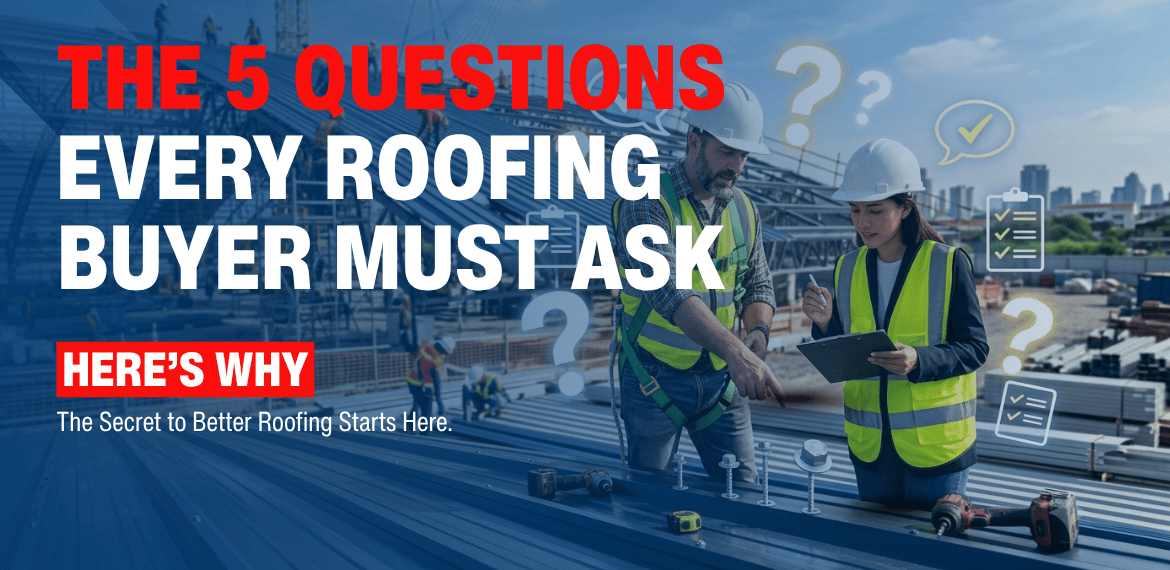
This guide walks you through five essential questions to ask before you buy roofing fasteners for metal roofs, tiles, shingles, or polycarbonate sheets. It is written for roofing contractors, builders, procurement teams, and serious DIY homeowners who want reliable, long‑term performance.
What are roofing fasteners?
Roofing fasteners are specialized screws and related hardware designed to fix roofing sheets, tiles, or panels securely to the structure while resisting wind uplift, water entry, and corrosion over time. Quality roofing fasteners are engineered for specific roof types, materials, and environmental conditions to ensure safety and durability.
In simple terms, roofing fasteners keep your roof in place, keep water out, and keep corrosion under control. Choosing the correct fastener is as important as choosing the roofing sheet itself.
1. Which fasteners are best for your roofing material?
Before buying roofing fasteners, match the fastener type to your exact roofing material and the structure below. This prevents premature corrosion, sheet damage, and warranty issues.
Different roofing materials need different roofing fasteners:
For metal roofing:
Use corrosion resistant self drilling screws designed specifically for metal to metal or metal to timber fixing. The drill point should penetrate easily without pre drilling, and the threads must give strong pull out resistance. Bimatapp type fasteners are ideal for aluminum roofing and cladding where bi metallic corrosion is a risk.
For polycarbonate roofing:
Use fasteners specially engineered for polycarbonate sheets. These roofing fasteners usually have a wide washer, UV resistant gasket, and a design that avoids stress cracking of the sheet. Polytapp type fasteners are a good example for polycarbonate roofing and cladding applications.
For tile or sheet over purlins:
Choose self drilling screws with the correct thread for the base material steel purlin or timber and with appropriate washer combinations to ensure watertight sealing at crest fixing or valley fixing as per the profile.
If roof type is metal sheet:
Use self drilling roofing fasteners with high corrosion resistance and suitable drill point length.
If roof type is aluminum sheet:
Use bis metallic roofing fasteners such as Bimatapps designed to avoid galvanic corrosion between aluminum and steel.
If roof type is polycarbonate:
Use Polytapps or similar polycarbonate specific fasteners that distribute load and protect the sheet.
2. What material and coating should your roofing fasteners have?
The material and coating of roofing fasteners decide how well they resist rust, especially in coastal, industrial, or high humidity zones. Using the wrong material can lead to early corrosion, leaks, and roof staining.
Key options for roofing fasteners materials and protection:
Carbon steel with advanced coating:
Common for structural performance, but must have high performance anti corrosion coating such as specialized alloy coatings or class 3 or above compliant finishes for long term exterior use. Suitable for many metal roofing projects when the environment is moderate.
Stainless steel:
Used where corrosion resistance is critical such as coastal areas, chemical plants, or severe pollution zones. SS 304 grade is common for roofing fasteners that need long lasting resistance to rust. In bi metallic fasteners, the head and body can be stainless steel while the drill point is carbon steel for drilling efficiency.
Bis metallic design:
In applications like aluminum roofing, a bis metallic roofing fastener with stainless steel body and carbon steel point prevents corrosion of both fastener and sheet. This combination maintains structural strength while protecting from galvanic action.
Washer and sealing materials:
The integrity of roofing fasteners also depends on the washer and sealing element. High quality EPDM washers resist UV, heat, and compression set, maintaining a watertight seal for years.
When choosing roofing fasteners, ask:
Is the fastener material compatible with my sheet metal or panel
Is the coating or grade suitable for my environment coastal, industrial, rural
Is there independent testing or compliance information for corrosion resistance
3. What size and length of roofing fasteners do you really need?
Correct size and length are critical. Roofing fasteners that are too short risk pull out and leaks, while overly long screws can damage the structure or look untidy under the roof.
Focus on three key dimensions for roofing fasteners:
Diameter:
The diameter affects holding power. Thicker roofing fasteners usually provide higher pull out strength and are preferred for high wind zones or heavy duty sheets. However, they must suit the profile and hole size recommended by the roofing manufacturer.
Length:
Length must cover roofing sheet thickness, any insulation or spacer, and allow proper penetration into the purlin or base material. As a rule of thumb, ensure adequate embedment depth in the steel or timber as per engineering guidelines and manufacturer recommendations.
Thread type:
For steel purlins, use roofing fasteners with self drilling points and fine or dual threads designed for steel. For timber, select roofing fasteners with coarse threads that grip the wood securely.
What size roofing screws do I need?
Choose a length that comfortably penetrates the roofing sheet and underlying purlin by the specified minimum embedment, and a diameter that matches structural design and sheet profile. Always refer to the roofing sheet supplier tables and the fastener brand technical data before finalizing.
If you are unsure, provide details roof type, sheet thickness, purlin type, and insulation to your supplier so they can recommend the exact roofing fasteners size.
4. How will the environment and weather affect your roofing fasteners?
Environment is a major factor in fastener life. The same roofing fasteners that work well in a dry inland town may fail quickly in a coastal or industrial area. Always consider local climate, pollution, and exposure.
Common conditions affecting roofing fasteners:
Coastal and marine environments:
High salt content accelerates corrosion. For such zones, choose roofing fasteners with superior corrosion resistance such as stainless steel or high grade coated fasteners tested for severe exposure.
Industrial and chemical zones:
Gases and chemical fumes can attack both sheets and fasteners. Aluminum roofing is often preferred for such areas, and matching bis metallic roofing fasteners like Bimatapps help protect against corrosion and maintain structural integrity.
High rainfall and humidity:
Continuous wetting and drying cycles can cause red rust on low grade screws. Quality roofing fasteners with proven coatings and EPDM washers help maintain watertight performance.
High wind zones:
Fastener spacing, pull out strength, and pattern layout are critical. Use roofing fasteners tested for uplift resistance and follow engineering guidelines for edge zones, corners, and field areas.
Ask your supplier:
Are these roofing fasteners tested for corrosion in conditions similar to my project
Are there recommendations specific to coastal or industrial environments
What is the expected service life when used with my roofing system
5. Are your roofing fasteners compatible with installation standards and best practices?
Even the best roofing fasteners can fail if installed incorrectly. To avoid costly mistakes, confirm that the fasteners, tools, and methods align with roofing standards and the sheet manufacturer guidelines.
Important checks before installation:
Fixing location on the profile:
Different roofing profiles require fixing at the crest or valley. Using roofing fasteners in the wrong position can cause leaks, sheet distortion, or noise during wind. Always follow the roofing system guide.
Pre drilling vs self drilling:
High quality self drilling roofing fasteners save time and reduce errors by drilling and tapping in one operation. Ensure drill point length matches total thickness to avoid tip burn out or poor penetration.
Driving technique:
Fasteners must be driven perpendicular to the sheet, with firm but not excessive torque. Over tightening can crush washers, deform sheets, and create micro gaps that later become leaks. Under tightening leaves the washer loose and allows water ingress.
Spacing and patterns:
Wind zone, sheet profile, and building height decide the number of roofing fasteners per sheet and their placement. Follow the layout recommended by structural design and roofing manufacturers.
Compliance and standards:
Check whether the roofing fasteners you choose are tested or aligned with relevant building and roofing guidelines for structural safety, corrosion performance, and watertightness
Comparison: Screws vs nails vs specialized roofing fasteners
Choosing between screws, nails, and specialized designs is a common source of confusion. Here is a simple comparison to guide you.
Comparison table – common options for roofing fasteners
| Type of fastener | Typical use | Key advantages | Key limitations | Best suited for |
|---|---|---|---|---|
| Self drilling screws | Metal roofing and cladding on steel purlins | Strong grip, precise, no pre drilling, long life | Needs correct size and coating to avoid corrosion | Metal roofs, industrial buildings |
| Timber grip screws | Roofing on timber battens or purlins | Excellent holding in wood, easy installation | Not suitable for steel purlins | Residential roofs with timber |
| Bi-metallic fasteners | Aluminium roofing and cladding | Reduces bi-metallic corrosion, high durability | Higher initial cost than standard screws | Chemical plants, coastal aluminium applications |
| Polycarbonate fasteners | Polycarbonate roofing sheets and skylights | Prevents sheet cracking, good sealing, UV resistant | Limited to polycarbonate or similar materials | Skylights, industrial sheds, awnings |
| Nails | Some traditional roofing applications | Low cost, quick to install | Less pull-out resistance, not ideal for modern sheets | Limited traditional applications |
Are roofing screws better than nails?
For modern roofing systems, high quality roofing screws are generally better than nails because they offer higher pull out strength, improved corrosion resistance when properly coated, and better control during installation. Nails are now limited to specific traditional applications and are less suitable for high performance metal roofing systems.
What fasteners should I use for a metal roof?
For metal roofing, use corrosion resistant self drilling roofing fasteners with the correct drill point, diameter, and washer system. Choose products designed for your environment and compatible with the sheet material and structure type steel or timber.
Common mistakes to avoid when buying roofing fasteners
Contractors and buyers often repeat the same errors when selecting roofing fasteners. Avoiding these mistakes can save significant time and money.
Using generic or low grade screws
General purpose screws not designed as roofing fasteners often have poor corrosion resistance and inadequate pull out strength. They may work for a few months but fail early under weather exposure.
Ignoring environment and location
Selecting the same roofing fasteners for both inland and coastal projects is risky. Harsh conditions demand upgraded materials or coatings.
Choosing the wrong length
Too short roofing fasteners barely grip the purlin and can loosen under load. Too long screws can penetrate beyond the structural member or interfere with internal finishes.
Mixing fastener metals with sheet metals
Using incompatible metals can trigger galvanic corrosion, leading to stains, perforation, and premature failure. Always match roofing fasteners to the sheet and follow manufacturer advice.
Skipping technical data
Relying only on price without checking test data, pull out values, and corrosion performance leads to higher total cost over the roof life cycle.
Practical buying checklist for roofing fasteners
Use this simple checklist before placing your order for roofing fasteners:
Roof type and material:
Have you clearly defined whether the roof is metal, aluminum, polycarbonate, tile, or composite
Have you matched the roofing fasteners type to this material
Base structure:
Are you fixing to steel purlins or timber battens
Is the thread and drill point of the roofing fasteners correct for this base
Environment:
Is the project located in a coastal, industrial, or high rainfall zone
Have you selected roofing fasteners with suitable corrosion resistance or stainless steel options where required
Size and specification:
Have you confirmed screw diameter, length, and thread type using technical data or supplier guidance
Have you considered sheet thickness, insulation, and spacer systems when deciding length
Sealing and washers:
Are the roofing fasteners supplied with high quality EPDM or similar washers
Are washers sized properly for your roofing profile
Standards and support:
Does the manufacturer provide technical data, application guidance, and support for layout and spacing
Are you buying from an authorized source known for genuine roofing fasteners
How to make confident, long term choices in roofing fasteners
Well chosen roofing fasteners protect your investment in roofing sheets, insulation, and structure. They reduce callbacks, prevent leaks, and keep the building envelope secure even under harsh conditions.
When evaluating options, look beyond price alone. Focus on the right match between roof type, environment, material grade, and fastener design. Use entity based thinking:
Roofing fastener → Roof material → Environment → Material grade → Installation practice
By asking the five questions in this guide and following the buying checklist, roofing contractors, builders, and procurement managers can specify roofing fasteners that deliver durable, reliable performance for years.